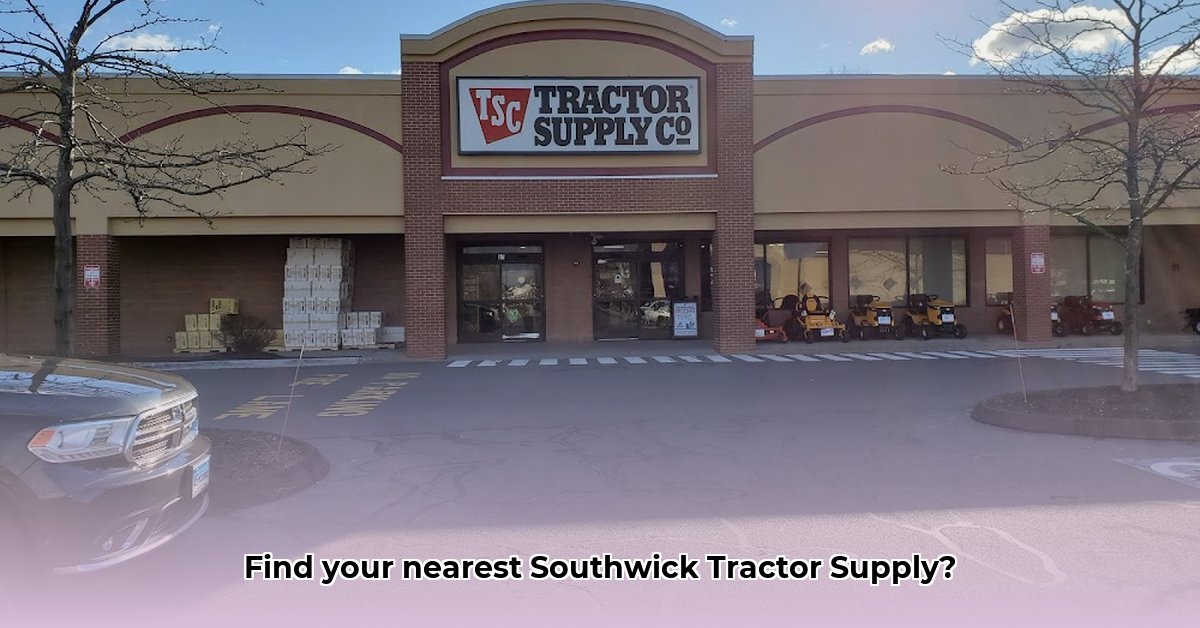
Understanding Southwick Tractor Supply's Role in the Massachusetts Market
Southwick Tractor Supply (STS), a part of the Tractor Supply Company (TSC) network, serves as a crucial retail hub for rural and suburban residents in Southwick, Massachusetts, and the surrounding area. This store, like others in the Massachusetts TSC network, provides a wide range of products and services catering to the unique needs of the local community, extending beyond traditional farm supplies to encompass pet supplies, home goods, and essential services. Its success is intertwined with the health of the Massachusetts agricultural sector and the broader economic well-being of its communities.
Getting to Know Your Local Southwick Tractor Supply Store
STS distinguishes itself through its localized approach to inventory management and service offerings. Unlike a generic retail model, STS actively tailors its product selection to meet the specific demands of the Southwick community. This localized strategy maximizes customer satisfaction and ensures the availability of relevant goods, contributing significantly to the store's overall success. For example, a higher demand for pet supplies in a specific location might lead to a larger allocation of space for such items, while areas with a strong gardening culture may feature an expanded garden center. This adaptability allows STS to effectively cater to diverse customer bases within the broader Massachusetts market.
Beyond Tractors: Services and the Community Connection
STS offers a broader range of services than simply supplying tractors and farm equipment. Propane refills, trailer rentals, and an expanding selection of pet supplies demonstrate its commitment to providing essential services beyond its core farm-related offerings. This diversified approach strengthens its role as a vital community resource, fostering deeper customer loyalty and extending its market reach beyond traditional farming clientele. The incorporation of convenience-focused services like pet wash stations (where available) further enhances the customer experience and positions STS as a comprehensive one-stop shop for rural and suburban needs.
Omnichannel Approach: Blending Online and In-Store Shopping
Tractor Supply Company recognizes the significance of omnichannel strategies in today's retail landscape. The "TSC Subscription Pickup" service exemplifies this forward-thinking approach by allowing customers to order online for convenient in-store pickup. This seamless integration of online and offline shopping experiences caters to the preferences of modern consumers, delivering both the convenience of online browsing and the immediate gratification of in-person purchase and collection. This strategy optimizes customer satisfaction by accommodating diverse shopping behaviors.
Stakeholder Analysis: The Wider Impact of Southwick Tractor Supply
The success of STS benefits a wide network of stakeholders:
| Stakeholder | Short-Term Benefits | Long-Term Benefits |
|---|---|---|
| TSC Management | Improved operational efficiency, optimized inventory, data-driven staff allocation. | Increased market share within Massachusetts, enhanced predictive capabilities for growth and resource allocation. |
| Local Communities | Job creation, increased accessibility to essential goods and services. | Economic growth, strengthened community ties, support for rural livelihoods. |
| Customers | Convenient shopping, diverse product selection, personalized service. | Building loyalty programs, access to personalized support, reliable home delivery options (where available). |
| Supply Chain Partners | Increased order volumes, strengthened business relationships. | Stable, long-term contracts, reduced risk of supply chain disruptions. |
Risk Assessment and Mitigation Strategies
While STS enjoys a strong position, potential risks must be addressed proactively:
| Risk Factor | Likelihood | Impact | Mitigation Strategies |
|---|---|---|---|
| Supply Chain Disruptions | Moderately Likely | High | Diversified sourcing, strengthened supplier relationships, robust inventory management. |
| Competition | Moderately Likely | Medium | Competitive pricing strategies, unique service offerings, loyalty programs, personalized customer service. |
| Economic Slowdown | Moderately Likely | High | Cost control measures, focus on essential products, flexible pricing strategies. |
| Regulatory Changes | Unlikely | Medium | Continuous monitoring of regulatory developments and prompt adaptation. |
| Negative Customer Feedback | Moderately Likely | Medium | Robust systems for feedback collection and prompt resolution of customer issues. |
Future Outlook: Adaptability and Continued Success
The ongoing success of STS and the broader TSC network in Massachusetts hinges on continuous adaptability and a deep understanding of the local market. Maintaining a resilient supply chain, providing exceptional customer service, and deploying effective operational strategies are essential for navigating the evolving retail landscape. This includes recognizing and responding to changing consumer needs and the broader agricultural trends within Massachusetts.
Improving Tractor Supply Company Store Performance in Massachusetts: A Data-Driven Approach
Three Pivotal Points for Improvement:
- Targeted Inventory Management: Analysis of sales data to optimize inventory levels, minimizing waste and ensuring the availability of high-demand products specific to the Massachusetts market.
- Enhanced Community Engagement: Building stronger relationships with local agricultural organizations and participating in community events to increase brand visibility and loyalty.
- Data-Driven Decision Making: Regular monitoring of key performance indicators (KPIs) to identify areas for improvement and refine operational strategies.
Analyzing the Massachusetts Market: A Localized Approach
Understanding the diverse needs of Massachusetts consumers—ranging from large-scale farmers to hobbyists and rural homeowners—is critical for optimizing store performance. This requires a tailored approach that considers the unique requirements of each customer segment. Are the products relevant? Are prices competitive? Is customer service exceptional? These questions are pivotal to maximizing sales and fostering customer loyalty.
Optimizing Inventory and Pricing: Data-Driven Strategies
Analyzing sales data to identify best-selling items and seasonal demand fluctuations allows for efficient stock allocation and minimizes waste. Moreover, competitor pricing analysis ensures competitiveness while maintaining profitability. This data-driven approach is crucial for maximizing returns and minimizing unnecessary costs.
Enhancing Customer Service and Engagement: Building Relationships
Training staff to understand the specific needs of the Massachusetts customer base is crucial. Encouraging friendly interactions and building relationships fosters trust and loyalty. Specialized workshops on relevant topics, such as sustainable farming practices, further enhance customer engagement and establish STS as a valuable community resource.
Strategic Marketing and Community Engagement: Building Brand Awareness
Strategic partnerships with local agricultural organizations and participation in relevant events significantly increase brand visibility and build positive community relationships. Targeted advertising campaigns, leveraging social media and local influencers, also strengthens brand reach and awareness within the Massachusetts market.
Tracking Key Performance Indicators (KPIs): Continuous Improvement
Regularly monitoring KPIs, including sales figures, customer satisfaction scores, inventory turnover rates, and marketing campaign effectiveness, provides invaluable insights into store performance. Analyzing this data allows for iterative improvements to strategies and enhances operational efficiency.
Focusing on Sustainable Agriculture Practices: Meeting Evolving Consumer Demands
Massachusetts demonstrates a growing interest in sustainable agricultural practices. Highlighting eco-friendly products and partnering with local organizations promoting sustainable agriculture strengthens the store’s image as an environmentally responsible retailer, appealing to environmentally conscious consumers.